High-level strategic meetings with civil society and key stakeholders were held by the Minister of Cooperative Governance and Traditional Affairs (CoGTA), Velenkosini Hlabisa, in Gqeberha this past weekend to assist the city council in improving governance and facilitating service delivery.
The meeting followed the formation of a 10-member team, in accordance with Section 154(1) of the Constitution. The meetings were held with representatives from CoGTA, Nelson Mandela Bay Municipality (NMBM), Eastern Cape CoGTA, the Nelson Mandela Bay Business Chamber, civil society groups, and other important stakeholders.
Participants highlighted several critical issues, including the ongoing instability in municipal leadership, persistent shortcomings in service delivery, and the deterioration of essential infrastructure. They expressed concern about the perceived neglect of young people’s voices in important development decisions, rising crime rates, unsafe road conditions, and challenges related to water supply and sanitation systems. Plus, there were concerns about the electricity supply and associated issues.
“The coalition, along with the Business Chamber, stressed the importance of transparent governance, operational efficiency, and strengthened partnerships to restore investor confidence, protect manufacturing industries, and drive economic growth,” a CoGTA statement said.
During the meetings, faith-based representatives highlighted the link between economic challenges, poverty, and inequality, calling for greater collaboration, partnerships, and community-focused solutions. Transparency, inclusivity in oversight, and stakeholder engagement were prioritised during discussions.
Hlabisa stressed the importance of merit-based appointments, stating that “positions in government must be filled by people with the right qualifications and competencies. Cadre deployment must be done away with to ensure effective service delivery and good governance.”
Mayor Babalwa Lobishe highlighted initiatives already underway to strengthen the municipality, including filling key vacant positions and improving systems and structures to enhance service delivery. She also announced the facilitation of a Youth Consultative Forum to engage young people in the development agenda. She also committed to ongoing engagement with all stakeholders and emphasised consequence management for officials implicated in wrongdoing.
According to the department, the Section 154 support, which deployed 10 experts, will diagnose challenges, identify gaps, and enhance municipal capacity.
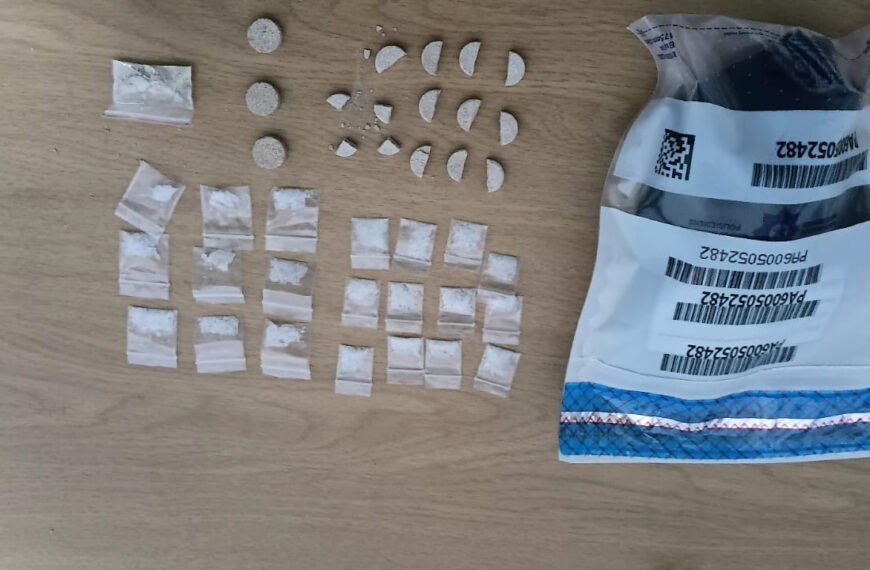
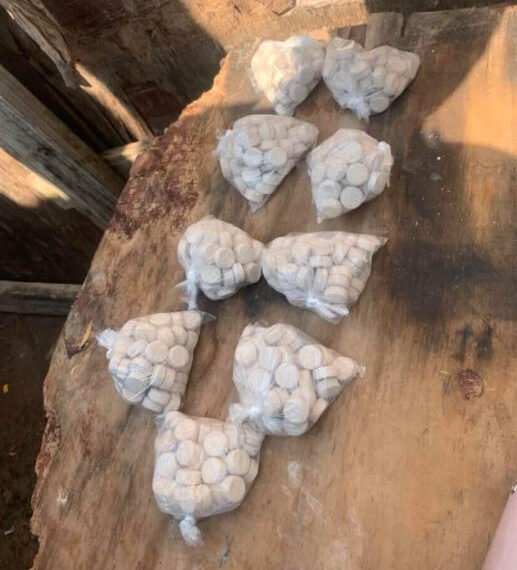
Minister Hlabisa explained the difference between Section 139 and Section 154 interventions, noting the importance of timely support to ensure the municipality meets its objectives. He also stressed the urgent social issues facing the metro, including crime, gender-based violence, and femicide (GBVF), as well as the pervasive effects of alcohol, drugs, and substance abuse.
“Crime, GBVF, and substance abuse pose serious threats to the safety and well-being of our communities. We cannot separate social challenges from economic and governance issues. It is essential for government, civil society, religious institutions, and communities to work together to protect our people, especially women and children and to build safer, healthier communities,” he said.
Mayor Lobishe is expected to meet with all stakeholders in early 2026 to discuss a plan of action aimed at revitalising NMBM and promoting sustainable development for the community. And Minister Hlabisa reaffirmed the government’s commitment to working with the people of Nelson Mandela Bay to build a stable, inclusive, and thriving municipality.
 By
By